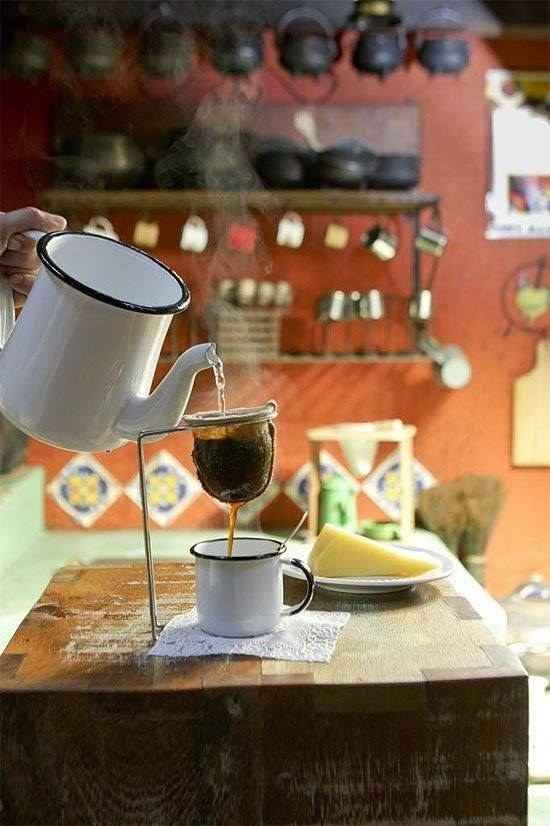
Why Freshness Matters for Flavor and Aroma
Coffee beans are agricultural products that begin losing quality immediately after roasting. The roasting process creates hundreds of volatile aromatic compounds, including www.moodtrapcoffeeroasters.com oils, sugars, and acids that define flavor notes. Within two weeks of roasting, these compounds start oxidizing when exposed to air. Oxidation turns desirable fruity and floral notes into stale, cardboard-like flavors. Carbon dioxide, which roasters trap inside beans, also escapes gradually. Carbon dioxide protects oils from oxidation and helps with even extraction during brewing. When beans go flat (lose all CO2), water penetrates them unevenly, causing simultaneous over-extraction and under-extraction in the same brew. Stale coffee tastes hollow, bitter, or sour without any pleasant complexity. Freshly roasted beans stored properly taste vibrant, with distinct flavor layers that unfold as the coffee cools. Once ground, coffee stales in minutes, not weeks, due to exponentially increased surface area.
The Right Container: Airtight, Opaque, and One-Way Valved
Your storage container determines how long beans stay fresh. The ideal container is airtight, blocking oxygen entry. It should be opaque because light, especially sunlight and fluorescent bulbs, accelerates the breakdown of aromatic oils through photochemical reactions. Many roasters sell bags with one-way degassing valves. These valves let CO2 escape without letting oxygen in, preventing bag explosion from freshly roasted beans while protecting against oxidation. Never transfer beans to a clear glass jar on your counter, as light and repeated air exposure each time you open it destroy freshness within days. For daily use, keep beans in their original valved bag or a ceramic, stainless steel, or dark glass canister with a rubber gasket seal. If you buy beans in non-valved plastic bags, transfer them immediately to an airtight container. Avoid vacuum-sealing fresh beans, as the pressure forces out CO2 too quickly, flattening flavor.
Where to Store Beans: Cool, Dark, and Dry Locations
The worst places to store coffee are the refrigerator and freezer, despite common myths. Refrigerators are humid environments, and moisture condenses on cold beans each time you open the door. This moisture extracts flavor compounds before brewing, dulling the taste. Refrigerators also contain odors from other foods; coffee acts like a sponge, absorbing garlic, onion, and cheese aromas. Freezing is acceptable only under specific conditions: portion beans into vacuum-sealed, airtight bags, remove all air, and freeze once. Never refreeze thawed beans. For daily storage, choose a pantry or cabinet away from the stove, dishwasher, or window. Temperature should remain between 50°F and 70°F. Heat above 80°F accelerates oil rancidity, while temperature fluctuations cause condensation inside the container. Keep beans away from spice racks, as ground spices release volatile compounds that cross-contaminate coffee aromas. A dedicated coffee drawer or shelf away from light and heat sources is perfect.
Whole Bean versus Ground: The One-Week Rule
Once you grind coffee, the freshness clock runs out in minutes, not days. Ground coffee has 1,000 times more surface area exposed to oxygen than whole beans. Even in an airtight container, pre-ground coffee loses 60 percent of its aromatic compounds within one week. For maximum freshness, always buy whole beans and grind immediately before brewing. If you must buy ground coffee for convenience, consume it within one week of grinding and store it in a sealed, opaque container. Vacuum-sealed pre-ground coffee from grocery stores often sits for months before purchase; check the roast date, not the sell-by date. For espresso, grind right before pulling the shot, as ground espresso stales in under three minutes. When traveling, bring whole beans and a manual hand grinder rather than pre-ground. The extra 30 seconds of grinding preserves flavors that transform a mediocre cup into a memorable one.
Signs Your Beans Have Gone Stale and When to Discard
Knowing when to throw away beans saves you from bad coffee. First, look at the roast date. Most beans peak between 5 and 14 days after roasting and remain acceptable for up to one month if stored properly. After five weeks, discard them. Next, smell the beans: fresh beans smell sweet, nutty, or fruity. Stale beans smell like cardboard, dusty grain, or rancid oil. Brew a small test cup. If the coffee tastes flat, papery, or sour without any sweetness, staleness is the cause. During brewing, stale beans produce minimal bloom when hot water hits them. The bloom is the foamy expansion caused by CO2 escaping; no bloom means no freshness. Do not discard beans immediately after the peak window. Slightly stale beans work well for cold brew, where long, cold extraction masks staleness. For espresso, staleness shows up as thin crema that dissipates within seconds. Trust your palate: if the coffee does not bring you joy, compost the beans and buy fresh.